
v2 Victorian Curriculum - Visual Communication DesignLet’s explore Isometric Drawing & Rendering in Year 9-10
The objective?
Thoughtfully curated to ensure students succeed.
Implementing an effective lesson sequence for Year 9
Lesson Episode 1
Learning Episode 2
Learning Episode 3

Learning Episode 4
Rationale: Learning Sequence & Resource
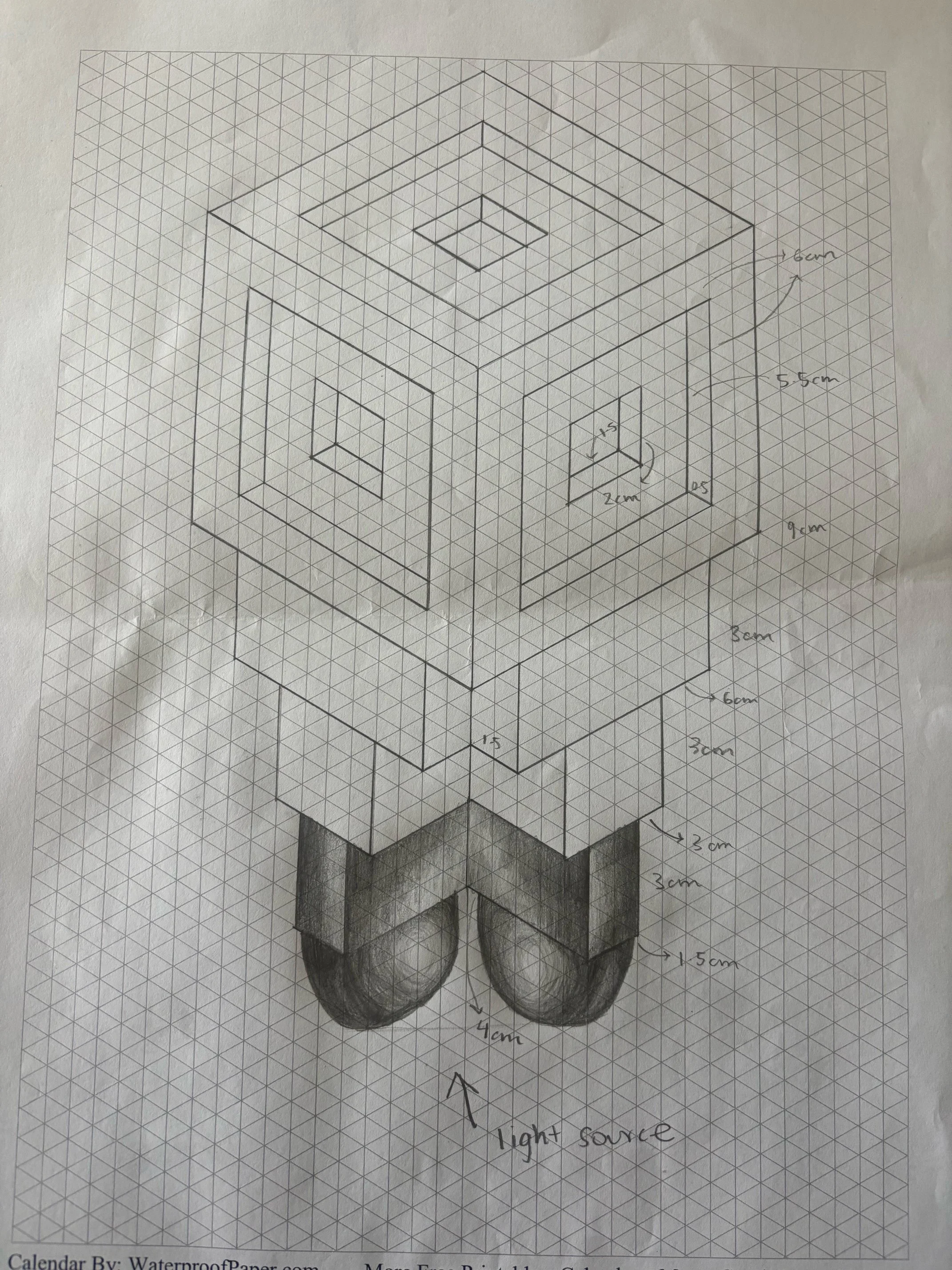
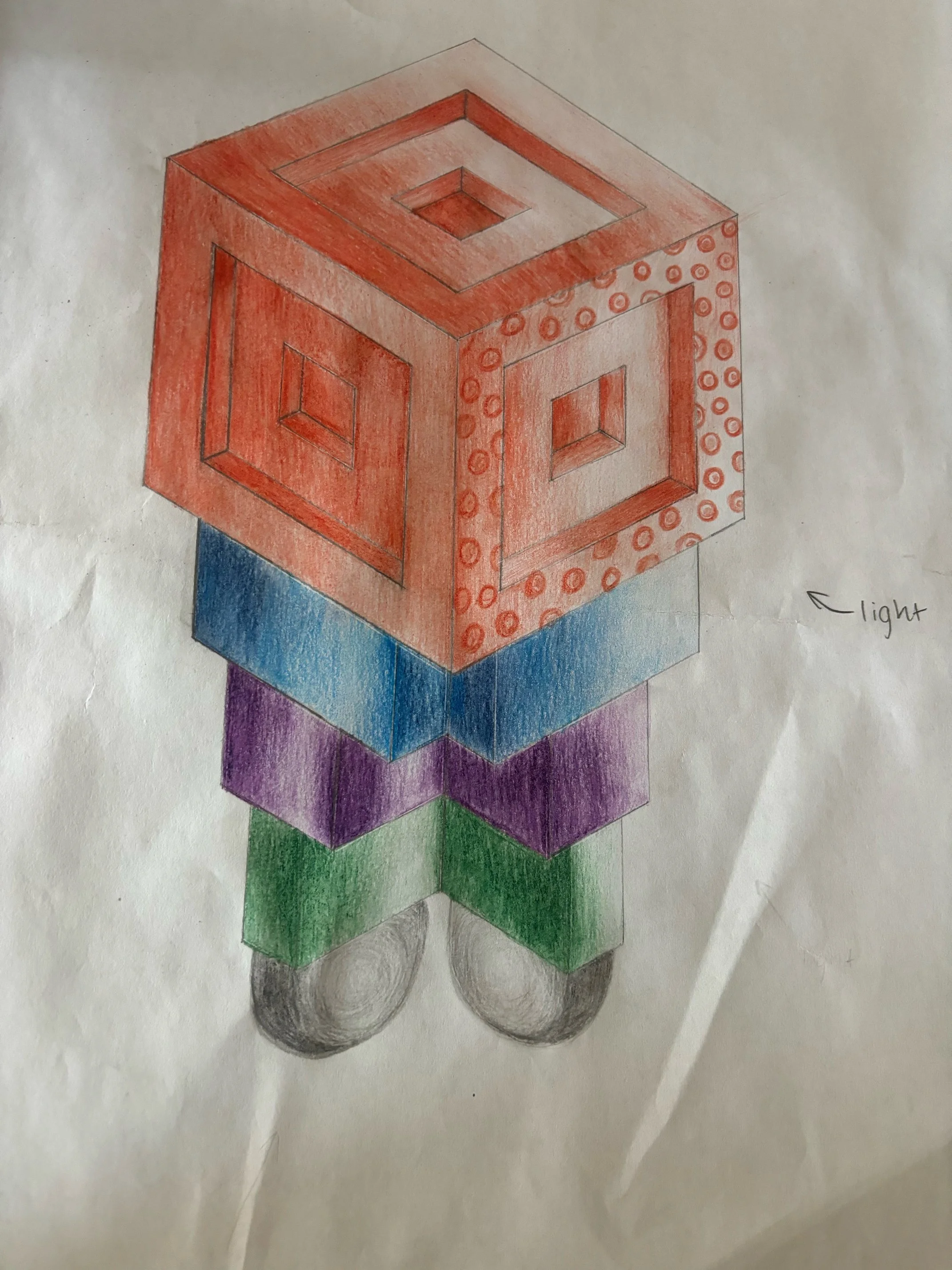
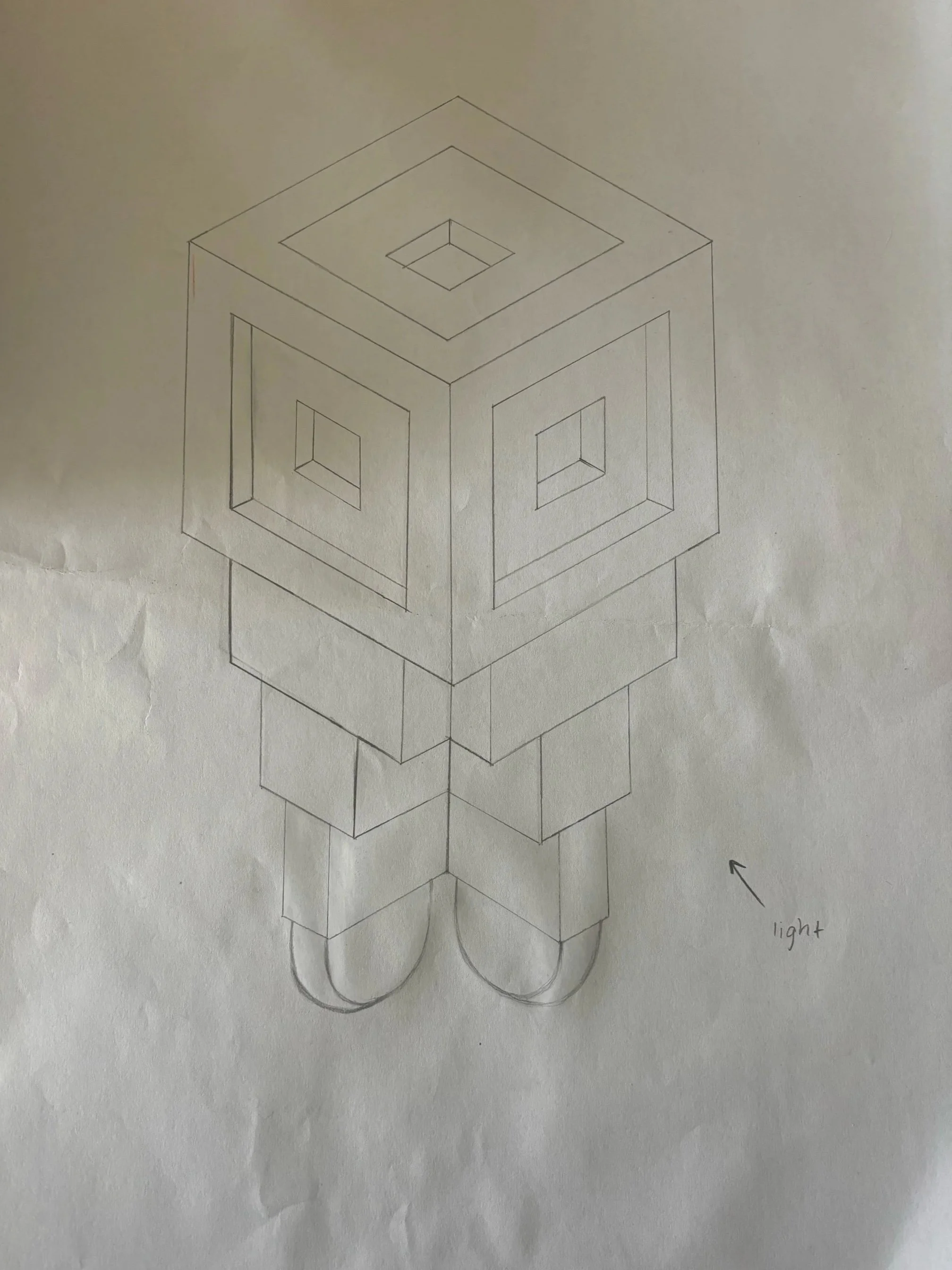
These learning resources have been designed to be scaffolded within the lesson sequence - allowing students to visualise how all aspects of the brief are to be combined. Idea generation, development and refinement have been demonstrated, however the key skill and objective included throughout each process is isometric drawing. Specifically focusing on following the technical drawing convention guidelines based on the Australian Standard AS 1100. This is to ensure the students can meet the success criteria and curriculum standards, understanding the sequences’ learning objectives. It also helps in incorporating “general capabilities” that can be used to “differentiate students’ learning opportunities.” (ACARA, 2023), to promote inclusive learning.
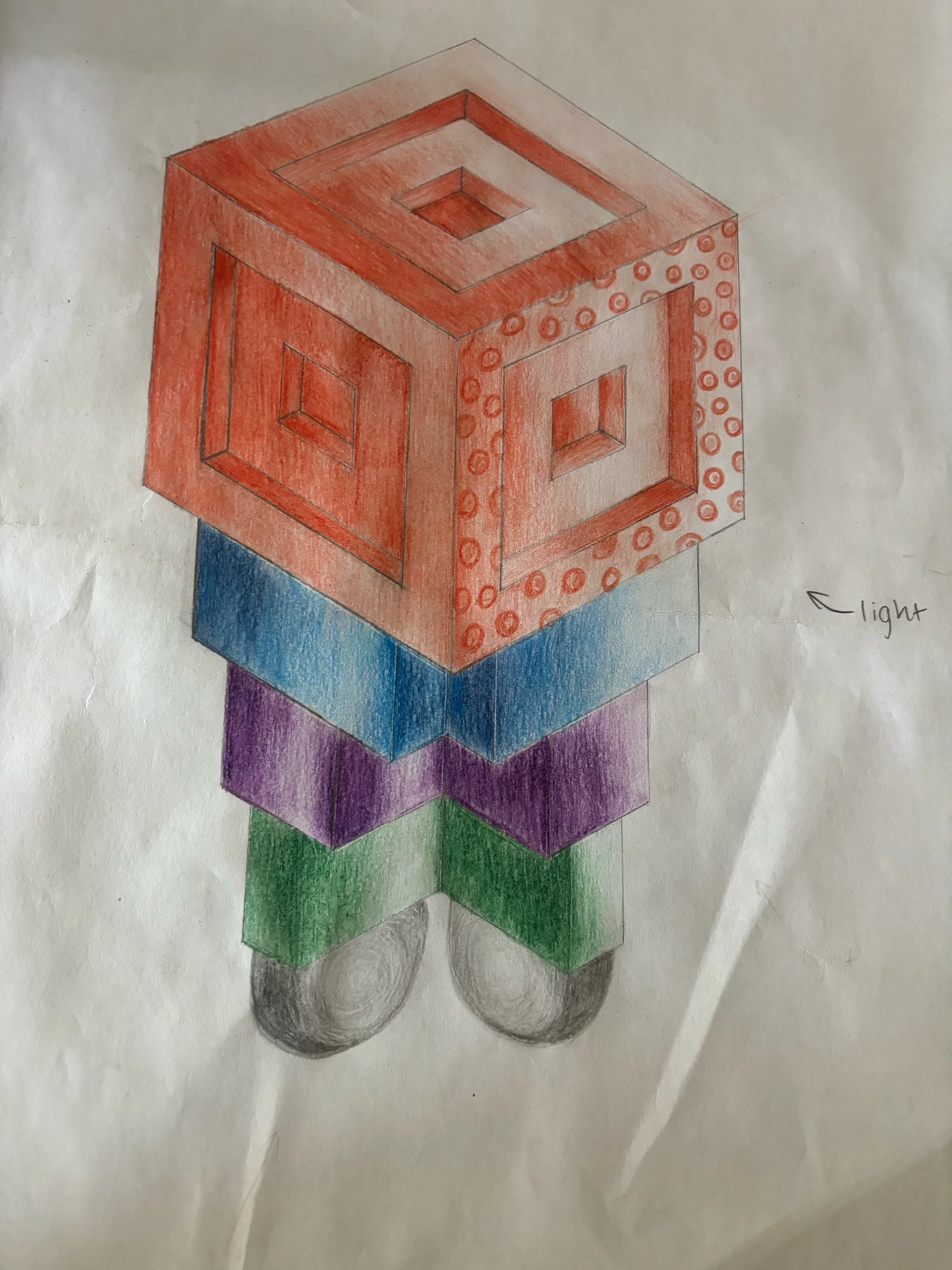
The first resource was created by using lined isometric paper - creating the outline of the design with a 30 degree set square. This was to demonstrate to students the level of complexity/detail required, and roughly the amount of elements that the Robot should include given the students are working with time constraints.
When shifting to the plain A3 paper, this will provide students the opportunity to visualise a rendering example and integrate a light source into their work. The rendering is to be completed by the teacher in learning episode 2 when using the projector, which introduces an ‘I do, we do, you do’ approach - to answer any questions and eliminate confusion that may be present after the Oliver Nueland rendering video. Worked examples “are effective in demonstrating what success looks like,” and help students by displaying “how to achieve success.” It is said to “reduce cognitive load for students” as they can “focus on the process required” (High Impact Teaching Strategies, 2017).
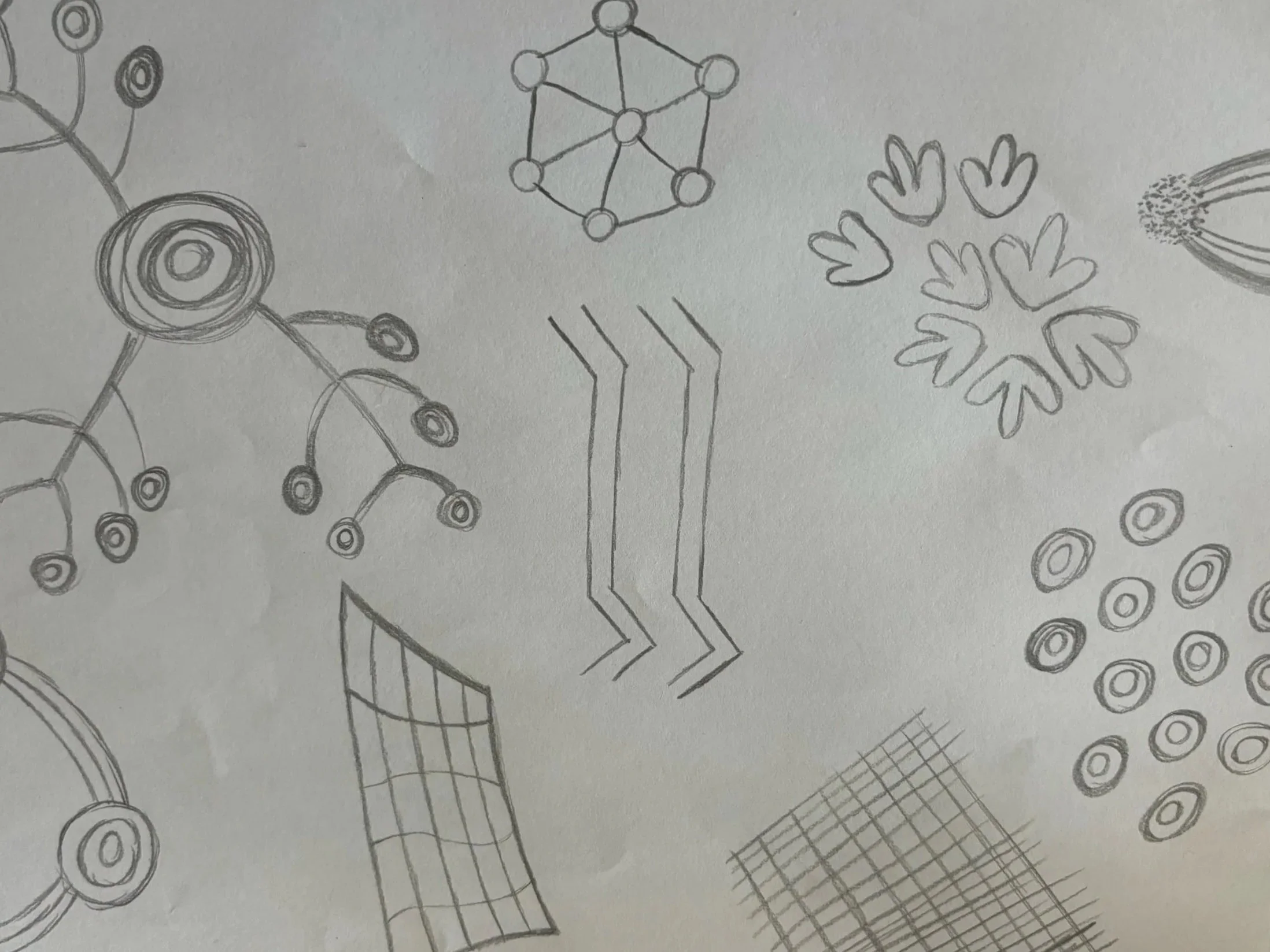
The integration of the Aboriginal pattern within the Robot design is the final aspect of the learning resource. This integrates an 8 Ways pedagogy of “Symbols and Images” by using images and metaphors to understand aboriginal concepts, content and perspectives. By integrating this content “focus can remain on core curriculum content while embedding Aboriginal perspectives in every lesson” (8 Ways, 2011) ensuring students gain an understanding and appreciation of Aboriginal and Torres Strait islander history throughout their learning, acquisition of new skills and capabilities.